

What Animals And Plants Live In The Forest For Grade 1
Forest and woodland habitats
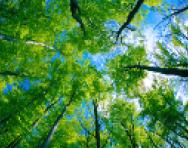
What are forest and woodland habitats?
Forests and woodlands are places where in that location are mostly trees. There are many different kinds of forests in different climates, but trees are the one affair they have in common!
Forests provide everything that the creatures who live there need – nutrient, water and shelter. Forests can be hot or common cold, with different kinds of trees in different climates effectually the world. There are deciduous forests, coniferous forests, and rainforests – just to name a few!
Top ten facts
- The principal affair to know about forest and woodland habitats is that they are areas that have a lot of trees pretty close to each other.
- Woodlands are a little more open than forests – woodlands have space to let a bit of light in between trees, while forests accept so many trees that information technology'southward actually pretty nighttime when y'all walk around.
- Trees can grow pretty much anywhere in the world, equally long every bit it's in a spot that has plenty water for them. Because of that, forest habitats can be very dissimilar depending where in the earth they are.
- There are many different kinds of copse, but a couple of the main groups are coniferous trees and deciduous trees.
- Coniferous trees are copse that produce seeds in cones, like pine trees and spruce trees (Christmas copse!)
- Deciduous trees are trees that lose their leaves in the winter, but grow them back in the summer.
- Fruits and nuts institute in the woods make a perfect meal for animals who live at that place, then they don't have to search also far to find food.
- Forests also provide shelter for animals, whether information technology'southward within the tree roots or trunks, or loftier up in the branches.
- Animals that live in forests and woodlands include large animals like bears, moose and deer, and smaller animals like hedgehogs, raccoons and rabbits.
- Considering we apply trees to make paper, we need to be conscientious about what that does to forest habitats. One fashion to care for forests is to recycle paper.

Boost Your Child'due south Learning Today!
- Start your child on a tailored learning programme
- Maths & English resources delivered each week to your dashboard
- Proceed your child's learning on track
Did yous know?
Forest and woodland habitats are places that have a lot of trees. If you can see more than trees around you than patches of grass and open spaces, chances are you lot're in a forest!
Trees abound pretty much everywhere, but not all trees are the same. Two main groups of trees are:
- Coniferous – conifers are trees that abound cones and have sparse, needle-like or scaly spikes for leaves, which is where their seeds are stored; pino copse, fir trees and spruce trees are conifers (and they are the kind of trees that we decorate at Christmas!)
- Deciduous – deciduous trees accept apartment leaves that modify colours in the autumn, autumn off in the winter, and grow back in the spring; oak trees and maple copse are deciduous
Yous'll by and large detect forests of conifer trees along the northern parts of the earth. These are likewise called boreal forests.
Conifer leaves stay green all yr circular, then they are also chosen evergreens (significant 'always dark-green').
Coniferous forests take short summers and long winters, so animals in that location need to be able to keep warm for a long time. Some birds and butterflies go south, and some animals hibernate, which ways they slumber during the coldest times of the twelvemonth.
Deciduous forests are dotted all over the place, simply mostly along the eastern side of North America, fundamental and northern Europe, and northeast Asia. These forests await very pretty in the autumn when all the leaves change from green to cherry-red, orangish and yellow.
Deciduous forests don't provide much shelter in the wintertime because all the leaves are gone from the trees. So, animals need to store up enough food for the winter, or hibernate.
Conkers are the seeds of a deciduous tree called a horse anecdote tree.
Acorns are the seeds of a deciduous tree chosen an oak tree.
Animals and insects who live in forest and woodland habitats rely on the copse to give them what they need – shelter, food, and protection from other creatures to a higher place the food chain. They too apply the streams and ponds inside forests to get h2o and (if they're the sort of brute that eats them) fish.
Animals in grasslands have to piece of work actually difficult to make shelters for themselves in the footing or find places to hide in tall grass. Only, animals in forests can hide inside expressionless trees, effectually tree roots, or climb way up into the tree branches.
One way we tin can help care for forest and woodland habitats is to recycle paper! We get paper from trees, so the more paper nosotros can recycle (which means making new paper from onetime paper), the fewer trees have to be cut down to make new paper.
Yous often find forests on the slopes of loftier mountains, just when it gets too high upwards the mount and it gets too cold, the forests stops all at once. This is called the tree line. Above this line in that location often aren't many plants at all – only snow and rocks.
Forest and woodland gallery:
- A map showing where you can find coniferous forests
- A map showing where you tin find near of the forests of deciduous trees effectually the world (in dark green)
- The food chain in a coniferous wood
- The food chain in a deciduous forest:
- A conifer forest
- Conifer leaves
- A deciduous wood
- Black bear
- Moose
- Porcupine
- Dandy grey owl (information technology looks like the branch information technology's sitting on!)
- Siberian tiger
- Hedgehog
- Opossum
- Leaves in autumn
- Bluebells in Great britain woodland
- Sunlight through the trees
Gallery
About
The words 'forest' and 'woodland' mean pretty much the same thing, but there is a tiny departure. A woodland has an open awning, meaning if you stand in the middle of a woodland and await up at the sky, y'all can see a fleck more sky than you lot can leaves and branches. Forests are much more dense (at that place are more trees, and closer together), and if you wait up at the sky yous'd just just see a piddling chip of it in the middle of all the tree branches.
Parts of a forest are:
- The woods flooring, which is where all the dead leaves and branches fall, where animals go out bits of their dinner and where mushrooms grow. It's sometimes chosen the recycling layer because it's where everything in the forest falls down, breaks down and becomes part of the ground again to assist more than plants and trees grow.
- Looking upwardly a little chip, you lot can see the herb layer, which includes all the ferns and flowers that grow along the forest floor.
- A little above that is the shrub layer, which includes larger plants like bushes and shrubs that accept woody twigs and branches.
- The understory of the forest is all the trees that are still growing – they oasis't reached the same top as most of the trees in the woods, but they're getting in that location.
- The canopy is what we call the tree branches and leaves that bring together up with other tree branches and leaves nearby, forming something like an umbrella over the wood.
- The emergent layer is what we call trees that poke through the awning – they've only kept growing faster than the trees around them, and reached up over everything else.
The leaves of deciduous trees change colour because the trees are getting set up for wintertime. As the weather gets colder in the autumn months, there is less light and water for trees. They begin to slow themselves downward in grooming for cold winter months and stop producing food (photosynthesis). As greenish chlorophyll leaves the leaves, all that'south left are the blood-red, orange and yellow colours we see around the month of October. The leaves die and fall off the tree, but the tree volition abound more than leaves when the weather warms up in the leap so it can offset making food again.
When bound comes in deciduous forests, plants shorter than trees (similar flowers on the forest flooring) grow very quickly to make sure they become plenty calorie-free before leaves commencement growing on the copse, which volition stop most of the sun'south rays from coming into the woods.
The leaves on conifer trees don't autumn off in the winter – they stay on all year long. They are dark green because this helps them get the most energy from the sun even if there's not a lot of light.
Some of the animals that yous'll find in coniferous forests are:
- Bear
- Eagle
- Smashing grey owl
- Moose
- Porcupine
- Siberian tiger
- Wolf
- Woodpecker
Some of the animals that live in deciduous forests include:
- Chipmunk
- Doormouse
- Duckbill platypus
- Hedgehog
- Opossum
- Rabbit
- Raccoon
- Tawny owl
- Whitetail deer
- Wood frog
Some of the insects you'll detect in coniferous forests include:
- Bark beetle
- Stink bugs
- Swallowtail butterfly
- Weevil
Some of the insects you lot'll find in deciduous forests are:
- Cicada
- Ladybirds
- Luna moth
- Woodboring beetle
Some of the trees and flowers in coniferous forests are:
- Douglas fir tree
- Ponderosa pine tree
- Redwood tree
- Saskatoon berry shrub
- Thimbleberry bush
- White bandbox tree
Some of the trees and flowers in deciduous forests are:
- Bluebells
- Chestnut tree
- Elm tree
- Larch tree
- Oak tree
- Violets
Words to know:
Acorn – the seed of an oak tree
Boreal – forests of conifer trees in the northern parts of the world
Cone – what conifer trees have instead of flowers; cones agree their seeds so they stay rubber until they are ready to try to grow
Coniferous – copse that take spiky or scaly leaves that stay light-green all year circular
Deciduous – copse that take broad, flat leaves that change colour in the autumn and fall off in the winter
Hibernation – a long sleep that animals accept in the winter to save up energy and warmth
Related Videos
Just for fun...
- Explore Pancake Woods and learn more most what each plant and animal needs to survive.
- Play a game about animals in the forest
- Download Forestry England'southward Tree Trumps card game to play
- Print and brand iDials to help yous place twigs and leaves when you're in woodland
- Try the Complete some Children's University activities in a woodland setting
- Make your own newspaper forest diorama and bamboo woods diorama
Children's books well-nigh forest and woodland habitats
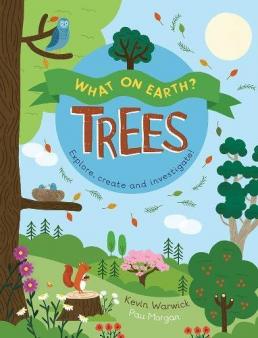
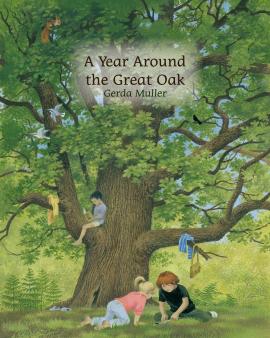
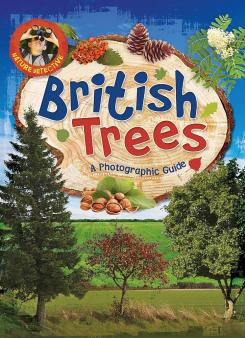
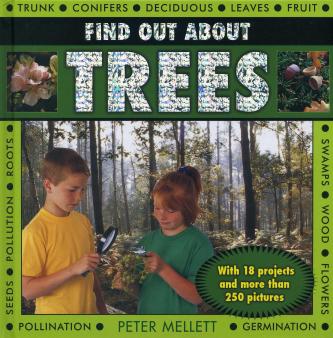
Notice out more about forest and woodland habitat:
- A kids' guide to country habitats including coniferous forests and deciduous forests
- The Globe Wildlife Fund guide to forest habitats
- The BBC Bitesize animation guide to woodland habitats
- Information most deciduous forests
- Read about common trees found in Uk, both native and non-native
- Find out about forests, one of the almost biodiverse habitats in the UK, in a BBC Teach video
- See fourth dimension-lapse footage of the forest floor
- Learning resources from the Forestry Committee
- The Woodland Trust is the Great britain'south leading woodland conservation clemency, and Nature Detectives is the kids' department of the website
- Tree Tools for Schools from the Woodland Trust is packed with tree-related activities, woodland habitat activities, nature crafts and wood-themed information and worksheets
- Discover the importance of forests
- Find out how a woods is like a urban center for animals in a video clip
- Download a free guide to wildflowers that grow in woodland
See for yourself
Discover woodland near you and explore it!
Wait at a beautiful collection of different kinds of tree bark from Roby Milling's countryside weblog
Brilliant woodland activities to try, including building a dam, making a rope swing and blackberry picking
Walk in a virtual forest in the UK or a virtual woods in the USA!
On the Woodland Trust'due south YouTube channel you lot tin run across a playlist featuring videos of A Year in the Life of lots of different copse
Go on a family forest walk and utilize these sentry's guides and follow these expert tips to become the most out of it
Birdwatch in the forest and track what you encounter
Consult the Ancient Tree Inventory and see if at that place are whatever very old copse most where yous live
Explore temperate forests in Arizona and Colorado in the U.s. and move between summer, fall, and wintertime seasons, all in virtual reality
Take part in Walk in the Forest, the The Tree Council's festival to encourage everyone to bask trees and wood
Also see
Source: https://www.theschoolrun.com/homework-help/forest-and-woodland-habitats
Posted by: edwardsperes1992.blogspot.com
0 Response to "What Animals And Plants Live In The Forest For Grade 1"
Post a Comment